Internet speed test

Best Cell Carrier in Texas

Texas, United StatesUS

Based on over 1.1 million real, on the ground measurements by people like you

Our pick for most people

AT&T

  • Reaches the most places
  • Strong all around
  • Slower than T-Mobile

Also a strong pick here

Best carrier by category

Tailor your carrier based on how you actually use your phone

  • Calls & textsAny carrier
  • BrowsingAny carrier
  • StreamingAny carrier
  • Video callsAny carrier
  • GamingAny carrier
  • Rural areasAT&TVerizon
  • Home internetT-Mobile
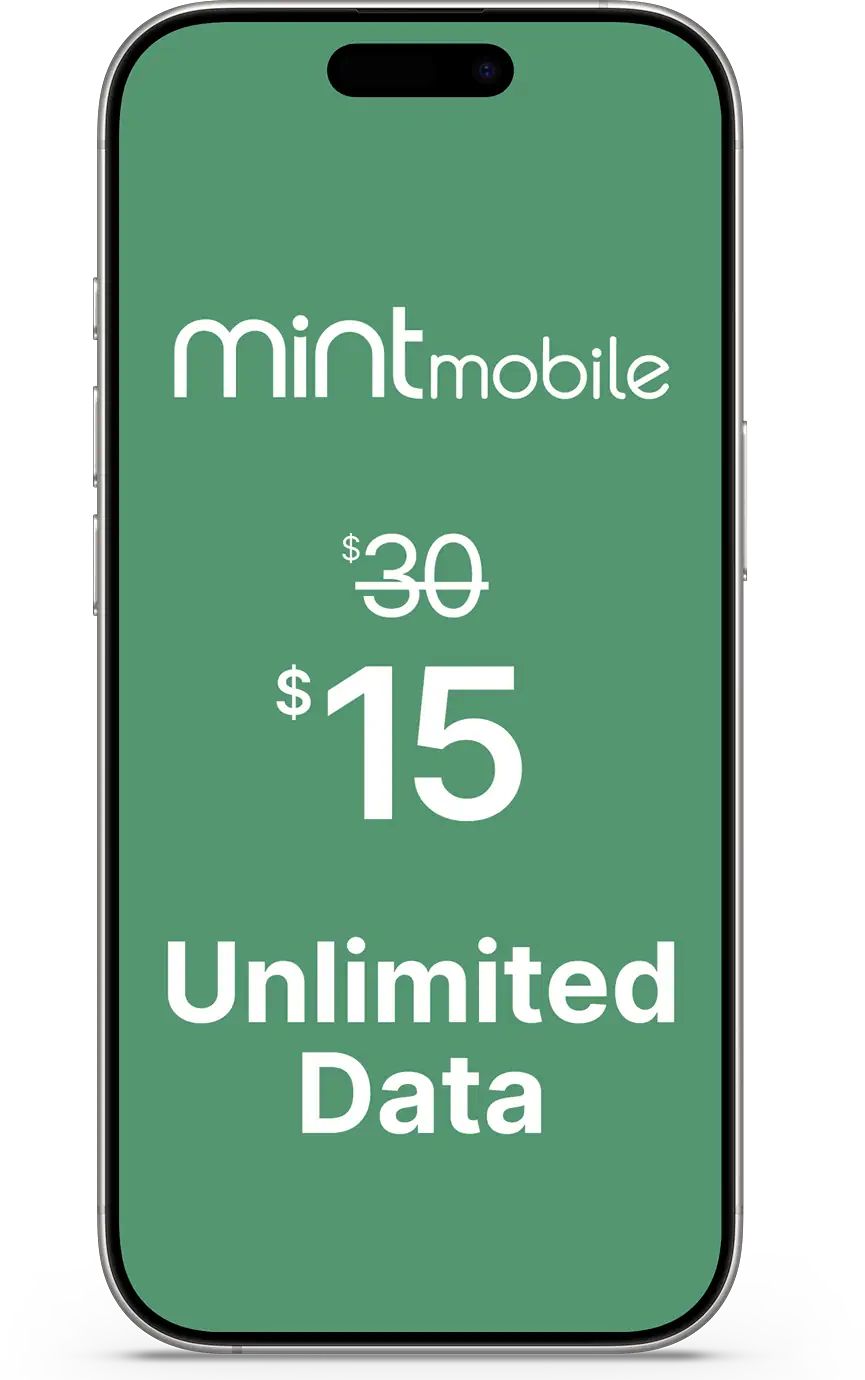
Mint Mobile

Get unlimited data for $15/month for your first 12 months

Get any plan for $15/month for a limited time. New customers only

See Deal
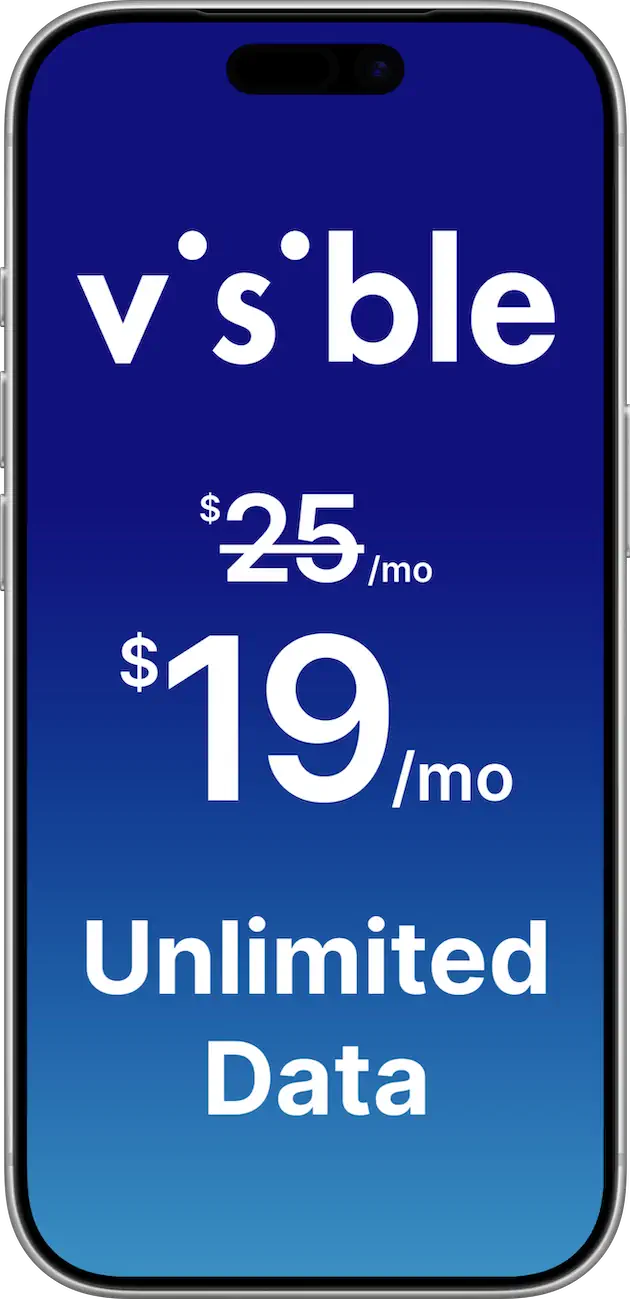
Visible

Get unlimited 5G data for $19/mo for one year

Use code SAVE6 to save $6/mo on any monthly plan for a year

See Deal

Recommended plans

Plans we recommend in Texas

US Mobile
Data

Unlimited

High-speed

Hotspot

20 GB

20GB hotspot

$25/mo
US Mobile
Data

Unlimited

High-speed

Hotspot

200 GB

200GB, then 600Kbps hotspot

$44/mo
AT&T Wireless
Data

Unlimited

High-speed

Hotspot

3 GB

3GB, then 128Kbps hotspot

$50/mo
AT&T Wireless
Data

Unlimited

High-speed

Hotspot

50 GB

50GB, then 128Kbps hotspot

$70/mo
US Mobile
Data

2 GB

High-speed, then data stops

Hotspot

Included

$10/mo
Browse All Cell Phone Plans

We may earn a commission from some plans. It never changes our carrier picks. Learn more

Coverage map

Browse the Coverage Map

Signal can change from one street to the next. Check the places you spend the most time, like home, work, and your commute.

Sponsored deals

Mint Mobile

Get unlimited data for $15/month for your first 12 months

Get any plan for $15/month for a limited time. New customers only

See Deal
Visible

Get unlimited 5G data for $19/mo for one year

Use code SAVE6 to save $6/mo on any monthly plan for a year

See Deal

Compare carriers

How do the carriers compare?

The real differences are how many places each network reaches and how well it holds up when it's busy.

AT&T

Our pick

The best coverage, but downloads are slower.

Overall
Excellent
Coverage
Excellent
Performance
Excellent
Reliability
Excellent

  • 4G LTE coverage91.7%
  • 5G coverage62.2%
  • Download speed128.2 Mbps
  • Upload speed11.9 Mbps
  • Latency40 ms
  • Speed testsover 410,000

Bars compare each carrier with the best result here. Speeds are medians from real speed tests. Coverage is the share of the area the FCC reports as covered.

T-Mobile

Fastest

The fastest network here.

Overall
Excellent
Coverage
Very good
Performance
Excellent
Reliability
Excellent

  • 4G LTE coverage83.2%
  • 5G coverage71.9%
  • Download speed207.3 Mbps
  • Upload speed16.0 Mbps
  • Latency34 ms
  • Speed testsover 360,000

Bars compare each carrier with the best result here. Speeds are medians from real speed tests. Coverage is the share of the area the FCC reports as covered.

Verizon

Slower speeds

Reaches about as many places as the others, but has the slowest downloads here.

Overall
Very good
Coverage
Excellent
Performance
Excellent
Reliability
Very good

  • 4G LTE coverage88.7%
  • 5G coverage48.9%
  • Download speed116.0 Mbps
  • Upload speed10.7 Mbps
  • Latency40 ms
  • Speed testsover 350,000

Bars compare each carrier with the best result here. Speeds are medians from real speed tests. Coverage is the share of the area the FCC reports as covered.

By County

Counties in Texas

The best pick can change depending on where you are in Texas. Choose one of the counties for a local answer.

Anderson
Andrews
Angelina
Aransas
Archer
Armstrong
Atascosa
Austin
Bailey
Bandera
Bastrop
Baylor
Bee
Bell
Bexar
Blanco
Borden
Bosque
Bowie
Brazoria
Brazos
Brewster
Briscoe
Brooks
Brown
Burleson
Burnet
Caldwell
Calhoun
Callahan
Cameron
Camp
Carson
Cass
Castro
Chambers
Cherokee
Childress
Clay
Cochran
Coke
Coleman
Collin
Collingsworth
Colorado
Comal
Comanche
Concho
Cooke
Coryell
Cottle
Crane
Crockett
Crosby
Culberson
Dallam
Dallas
Dawson
Deaf Smith
Delta
Denton
DeWitt
Dickens
Dimmit
Donley
Duval
Eastland
Ector
Edwards
El Paso
Ellis
Erath
Falls
Fannin
Fayette
Fisher
Floyd
Foard
Fort Bend
Franklin
Freestone
Frio
Gaines
Galveston
Garza
Gillespie
Glasscock
Goliad
Gonzales
Gray
Grayson
Gregg
Grimes
Guadalupe
Hale
Hall
Hamilton
Hansford
Hardeman
Hardin
Harris
Harrison
Hartley
Haskell
Hays
Hemphill
Henderson
Hidalgo
Hill
Hockley
Hood
Hopkins
Houston
Howard
Hudspeth
Hunt
Hutchinson
Irion
Jack
Jackson
Jasper
Jeff Davis
Jefferson
Jim Hogg
Jim Wells
Johnson
Jones
Karnes
Kaufman
Kendall
Kenedy
Kent
Kerr
Kimble
King
Kinney
Kleberg
Knox
La Salle
Lamar
Lamb
Lampasas
Lavaca
Lee
Leon
Liberty
Limestone
Lipscomb
Live Oak
Llano
Loving
Lubbock
Lynn
Madison
Marion
Martin
Mason
Matagorda
Maverick
McCulloch
McLennan
McMullen
Medina
Menard
Midland
Milam
Mills
Mitchell
Montague
Montgomery
Moore
Morris
Motley
Nacogdoches
Navarro
Newton
Nolan
Nueces
Ochiltree
Oldham
Orange
Palo Pinto
Panola
Parker
Parmer
Pecos
Polk
Potter
Presidio
Rains
Randall
Reagan
Real
Red River
Reeves
Refugio
Roberts
Robertson
Rockwall
Runnels
Rusk
Sabine
San Augustine
San Jacinto
San Patricio
San Saba
Schleicher
Scurry
Shackelford
Shelby
Sherman
Smith
Somervell
Starr
Stephens
Sterling
Stonewall
Sutton
Swisher
Tarrant
Taylor
Terrell
Terry
Throckmorton
Titus
Tom Green
Travis
Trinity
Tyler
Upshur
Upton
Uvalde
Val Verde
Van Zandt
Victoria
Walker
Waller
Ward
Washington
Webb
Wharton
Wheeler
Wichita
Wilbarger
Willacy
Williamson
Wilson
Winkler
Wise
Wood
Yoakum
Young
Zapata
Zavala

Our method

How do we determine how carriers perform?

Our picks come from over 1.1 million speed tests run by people using the CoverageMap app in Texas, plus FCC coverage data. We look at where each network reaches, how fast it is, and how often it slows down. No carrier pays for its ranking.

Every carrier gets 0 to 10 scores inspired by the CoverageMap API's scoring, adapted to a whole area so each one agrees with the numbers we show:

  • Coverage is how much of the area the FCC reports as covered, lowered when speed tests fail to connect. Speed never counts here, so the carrier that reaches the most of the area has the best coverage. Carriers nobody has tested here are rated from the FCC map alone: performance is the share of the area with a good or better signal, and reliability is how little of their coverage is weak.
  • Performance blends median download (70%) and upload (30%) speeds, topping out at 100 and 20 Mbps, and is lowered by latency over 150 ms. The first Mbps count the most, so a solid 50 Mbps scores well.
  • Reliability looks at the slowest tests (the worst 10%) against 10 Mbps down and 2 Mbps up, and every failed test counts fully against it, so it shows how a network holds up when it's busy.

In coverage and performance, failed tests count half as much because some fail for reasons that have nothing to do with the network. The overall score weighs coverage 50%, reliability 30%, and performance 20%, and our pick has the best overall score. Each activity uses the measurements that matter for it: latency for gaming and video calls, download speed for streaming, coverage for rural areas, and fast, steady speeds both ways for home internet.

A whole state takes in wide areas nobody lives in, and its slowest tests come from its worst places, so state pages rate coverage and reliability a little more leniently than county and city pages, and failed tests count a little less.

We need at least 25 speed tests in Texas to rate speeds locally, and 10 for each carrier before we compare its speeds. With fewer tests, we use a larger nearby area or rate carriers from FCC coverage alone.

FAQ

Questions about Texas cell service

For most people in Texas, AT&T is the best choice: it has the best coverage. Pick T-Mobile if top speed matters most to you.

AT&T has the best coverage here, with 4G LTE or 5G signal across about 92% of Texas according to FCC data. Coverage can still change from street to street, so check your address on the coverage map on this page.

T-Mobile had the fastest typical download speed in our tests, about 207 Mbps. Every carrier rated good or better here is fast enough for browsing and HD video.

Use the coverage map on this page. Search for your address to see the signal for each carrier at your home, work, and anywhere else you spend time in Texas.

From over 1.1 million speed tests run by real people on their own phones in Texas, not lab tests or carrier claims. We add coverage data that carriers report to the FCC. No carrier pays for its ranking.

Each category looks at the measurements that matter most for it:

  • Calling & texting: Coverage and how steady the network is, plus a little response time
  • Browsing & social media: Download speed (up to about 25 Mbps), response time, coverage, and steadiness
  • Video & music streaming: Download speed, steadiness, and coverage
  • Video calling: Upload speed, response time, steadiness, and download speed
  • Mobile gaming: Response time (latency) most of all, plus steadiness and download speed
  • Rural coverage: The coverage score: how much of the area has signal on the FCC map, lowered when real tests fail to connect
  • Home internet: Fast download and upload speeds, steadiness, and how much of the area has 5G

Recommended plans are our own picks: they run on a network that works well in Texas, and we choose them for fit and value. Sponsored deals are paid placements, and we show them under a "Sponsored deals" label. Some of the plans we recommend also come from sponsors; they are on the list because they fit, not because they pay. We only accept sponsors whose plans we have reviewed and believe to be a good service. Sponsorship never changes our carrier picks or ratings, and we never put a plan in a recommended spot if it wouldn't be a good fit for coverage or performance in the area.

Download the CoverageMap app and run a few speed tests with location enabled. Your results improve the ratings on this page and help unlock local picks faster.

Looking somewhere else?

Get the best-carrier answer for any state, county, or city.